Serving Greenville & Surrounding Areas
Blog
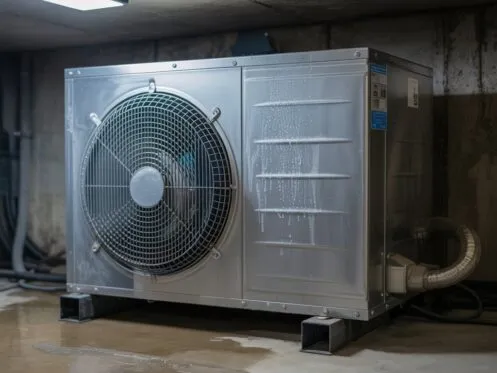
You’re settling in for the evening when suddenly—BANG! Your HVAC system jolts to life with a sound that makes you jump. Or maybe it’s the opposite: a grinding, clanking farewell as it shuts down for the night. Either way, these loud noises aren’t just annoying—they’re your system’s way of crying for help.
At Tuck & Howell, we’ve been helping families in Greer, SC, and surrounding areas since 1969, and we hear this concern almost daily. The good news? Most HVAC noises have simple explanations, and many are preventable with proper care. Let’s dive into the five most common culprits behind those startling sounds and what you can do about them.
Why Your HVAC System Suddenly Sounds Like a Construction Site
Strange noises from your heating and cooling system aren’t just a nuisance—they’re warning signs. When your HVAC makes loud noises during start-up or shutdown, it’s usually telling you that something inside needs attention. Ignoring these sounds can lead to bigger problems and costlier repairs down the road.
The reality is simple: A well-maintained HVAC system should run relatively quietly. If yours sounds like it’s angry at the world, one of these five issues is likely the cause.
1. Loose Components Are Rattling Around
Picture this: you’re driving down the highway when your car starts rattling. You wouldn’t ignore it, right? The same logic applies to your HVAC system. Loose screws, panels, or internal parts create rattling or banging sounds that become more noticeable when the system kicks on or winds down.
Over time, the constant vibration from normal operation can work screws loose or cause mounting brackets to shift. This is especially common in older systems or those that haven’t had regular maintenance. The fix is usually straightforward, but it requires someone to identify exactly which components have come loose.
We recommend having a professional check for loose parts during routine maintenance visits. It’s a simple fix that can save you from more serious problems later. Need an AC maintenance check to catch these issues early? We’re here to help.
What You Can Do Right Now
Walk around your outdoor unit and look for any obvious loose panels or debris. Sometimes a simple visual inspection can reveal the source of rattling sounds. However, don’t attempt to tighten anything yourself—leave that to the professionals.
2. Your Blower or Fan Has Gone Rogue
A damaged fan blade or off-balance blower motor creates clanking and banging sounds that are impossible to ignore. These mechanical components work hard every time your system runs, and they’re particularly vulnerable to wear and tear.
Common fan and blower issues include:
- Bent or damaged fan blades hitting the housing
- Loose blower fan mounts that bang against the casing
- Motors that have shifted out of alignment
- Debris caught in the fan assembly
The tricky part? These problems often get worse over time. What starts as a minor clanking sound can turn into a major mechanical failure if left unchecked.
The Real Cost of Waiting
When blower motors fail completely, replacement costs can range from $200 to $800, depending on your system’s size and complexity. That’s why we always tell our customers: address unusual sounds early, before they become expensive problems.
3. Electrical Problems Are Buzzing for Attention
Electrical issues in HVAC systems often announce themselves with buzzing, clicking, or squealing sounds. These noises typically happen when capacitors fail, wiring becomes loose, or relays start malfunctioning.
Here’s what makes electrical problems particularly concerning: they’re not just about comfort—they’re about safety. A failing capacitor or loose electrical connection can create fire hazards or cause your entire system to shut down unexpectedly.
According to HVAC experts in Taylors, SC, “If there is persistent buzzing coming from your outside HVAC unit, it is a good indicator of a refrigerant leak or that your unit is freezing up from too much usage.”
Signs You Need Immediate Professional Help
Call a technician right away if you notice:
- Continuous buzzing from the outdoor unit
- Clicking sounds that don’t stop after startup
- Burning smells combined with electrical noises
- Intermittent power issues with your system
Don’t try to diagnose electrical problems yourself. Our certified technicians have the tools and expertise to safely identify and fix these issues.
4. Compressor Malfunctions Pack a Powerful Punch
Your compressor is the heart of your HVAC system, and when it starts failing, it produces grinding, buzzing, or knocking sounds that are hard to miss. These noises often indicate serious problems like refrigerant leaks or internal component damage.
Compressor issues are particularly noticeable during startup and shutdown because that’s when the unit works hardest to pressurize and depressurize the system. If your compressor is grinding or knocking, especially if it’s low on refrigerant, you’re looking at a significant repair.
Industry experts note that “Compressor failure can cause grinding, buzzing, or knocking sounds at start/stop, especially if low on refrigerant. Replacement costs $1,200–$2,000, but if the unit is 10–12 years old, consider a full system replacement.”
The Age Factor
If your system is approaching 10-12 years old and experiencing compressor problems, it might make more financial sense to replace the entire unit rather than invest in major repairs. We can help you evaluate whether repair or replacement is the smarter choice for your situation.
5. Dampers and Vents Are Slamming Shut
Malfunctioning dampers that slam shut create loud banging sounds when your system turns off. This often happens when airflow isn’t properly balanced throughout your home or when dampers aren’t functioning correctly.
One specific cause we see frequently: “When the air conditioner turns off and stops pulling in air, the filter drops to the grille, creating slamming noises. Usually, this occurs due to highly-efficient air filters that clog faster or undersized return ducts.”
The Filter Connection
Sometimes the solution is as simple as changing your air filter more frequently. High-efficiency filters, while great for air quality, can restrict airflow if they become clogged. This creates pressure imbalances that lead to slamming sounds when the system shuts down.
Pro tip: Check your air filter monthly, especially during heavy-use seasons. A clogged filter doesn’t just cause noise—it makes your system work harder and use more energy.
When to Call the Professionals vs. DIY Fixes
While some maintenance tasks are perfect for homeowners, most noise-related issues require professional diagnosis and repair. Here’s how to know when to call us:
Call immediately for:
- Electrical buzzing or burning smells
- Grinding or knocking from the compressor
- Any safety concerns
- Noises that are getting progressively worse
You might handle:
- Changing air filters regularly
- Clearing debris from around the outdoor unit
- Basic visual inspections for obvious problems
Remember, as one HVAC professional puts it: “A little noise is normal—but loud banging, rattling, or hissing sounds could mean something’s wrong with your HVAC system. Don’t ignore those strange noises—your comfort (and safety) could depend on it.”
Prevention: Your Best Defense Against Noisy Surprises
The most effective way to prevent HVAC noises is through regular maintenance performed twice a year. This approach aligns perfectly with new 2025 efficiency standards that emphasize proper system care and optimal performance.
During our maintenance visits, we:
- Tighten all loose components before they become noise problems
- Inspect and lubricate moving parts to prevent mechanical issues
- Check electrical connections to catch problems early
- Test system operation to ensure everything runs smoothly
- Replace filters and clean components to maintain proper airflow
Regular maintenance doesn’t just prevent noise—it also helps your system run more efficiently, last longer, and comply with evolving industry standards.
Ready to Silence Those Annoying HVAC Sounds?
Don’t let loud HVAC noises disrupt your peace of mind. At Tuck & Howell, a reliable HVAC company in Mauldin, SC we’ve been solving these problems for families since 1969, and we know exactly how to diagnose and fix whatever’s making your system sound like it’s having a breakdown.
Our experienced technicians use the latest diagnostic tools to quickly identify the source of unusual noises and provide reliable solutions. Whether you need a simple adjustment or major AC repair, we treat your home with the same care and quality we’d give our own family.
Contact us today to schedule your diagnostic appointment and discover “Howell” we’re different!
Frequently Asked Questions
Is it normal for my HVAC to make some noise when starting and stopping? Yes, some noise is normal during startup and shutdown. However, loud banging, grinding, or rattling sounds indicate problems that need professional attention.
How often should I have my HVAC system inspected to prevent noise issues? We recommend professional maintenance twice a year—once before the cooling season and once before the heating season. This schedule helps catch potential problems before they become noisy (and expensive) repairs.
Can I fix loose components myself? While you might be able to identify loose panels visually, we don’t recommend tightening components yourself. HVAC systems contain electrical components and refrigerant lines that require professional handling for safety reasons.
What should I do if my HVAC makes a grinding noise? Turn off your system immediately and call a professional. Grinding noises often indicate serious mechanical problems that can cause expensive damage if the system continues running.
How do I know if the noise is coming from the indoor or outdoor unit? Listen carefully when the system runs. Indoor unit noises usually come from air handlers, blowers, or ductwork. Outdoor unit noises typically originate from the compressor, condenser fan, or electrical components.
Will regular filter changes help reduce HVAC noises? Yes! Clogged filters can cause airflow problems that lead to slamming or banging sounds when the system shuts down. Check your filter monthly and replace it when it’s dirty.
Are newer HVAC systems quieter than older ones? Generally, yes, especially systems that comply with 2025 efficiency standards. These newer units are designed to run more smoothly and quietly, but they still require regular maintenance to stay that way.
Meet the Author